DataDriven Decision Making for Lifelong Learning Initiatives
The Power of Data in Lifelong Learning
Data provides an objective lens on learner behavior, program efficacy, and market alignment. When used strategically, it turns intuition into measurable growth.
Key Data Sources
- Learning Management System (LMS) – enrollment, completion, time‑on‑task.
- Student Information System (SIS) – demographics, enrollment trends.
- Career Services Analytics – job placement, salary outcomes.
- External Labor Market Data – skill demand forecasts.
Building a Data Dashboard
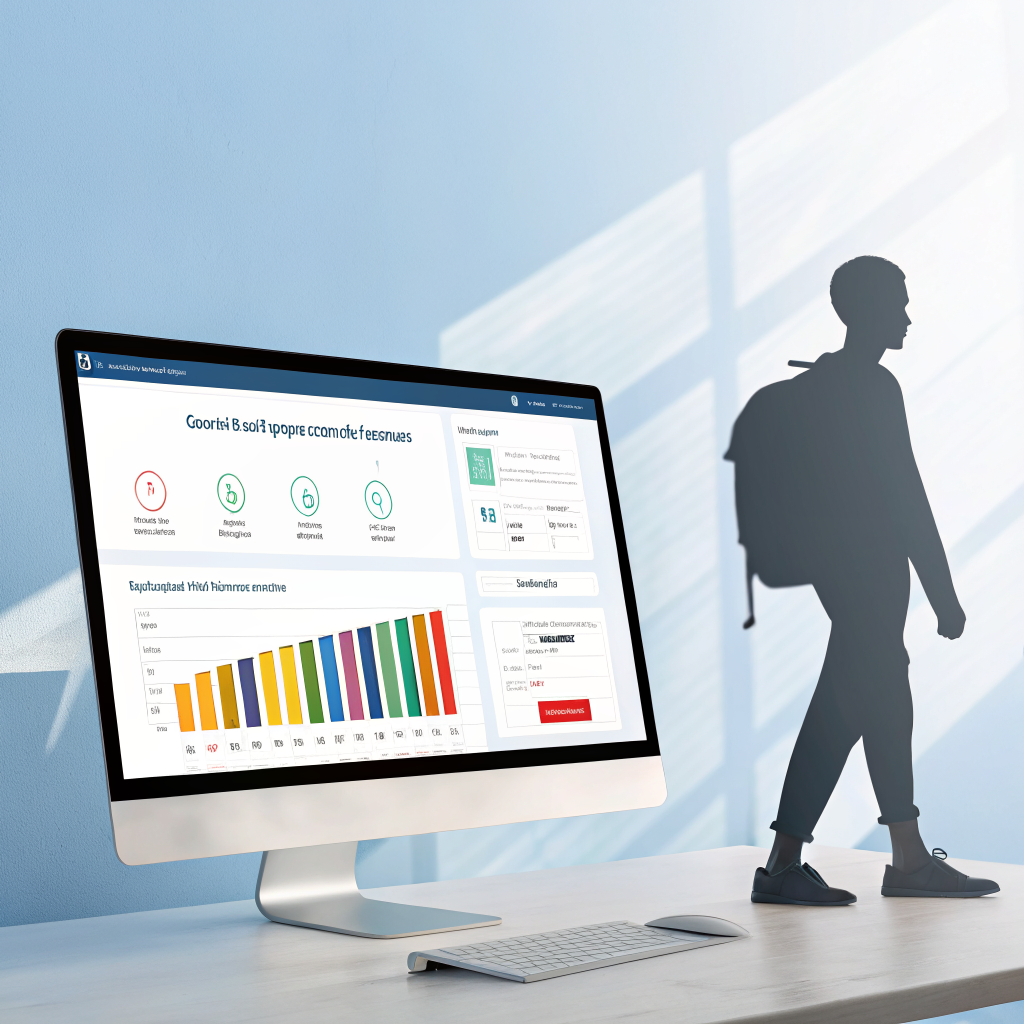
Combine these sources into a unified dashboard that tracks three core metrics:
- Engagement Index – average session duration, active days per week.
- Success Rate – course completion, credential attainment.
- Impact Score – post‑program employment, salary increase.
Turning Insights into Action
Example: If the Engagement Index drops for a specific module, drill down to identify whether content difficulty, UI design, or support resources are causing friction. Then iterate quickly.
Communicating Impact to Stakeholders
Craft concise impact reports that combine visual charts with narrative context. Highlight ROI: increased enrollment, higher tuition revenue, and improved community outcomes.
Best Practices Checklist
- Ensure data privacy compliance (FERPA, GDPR).
- Standardize data definitions across systems.
- Set quarterly review cycles with leadership.
- Involve faculty in interpreting results.
By embedding data into every decision layer, lifelong learning programs become adaptable, transparent, and aligned with mission goals.